Dark Tea
Introduction
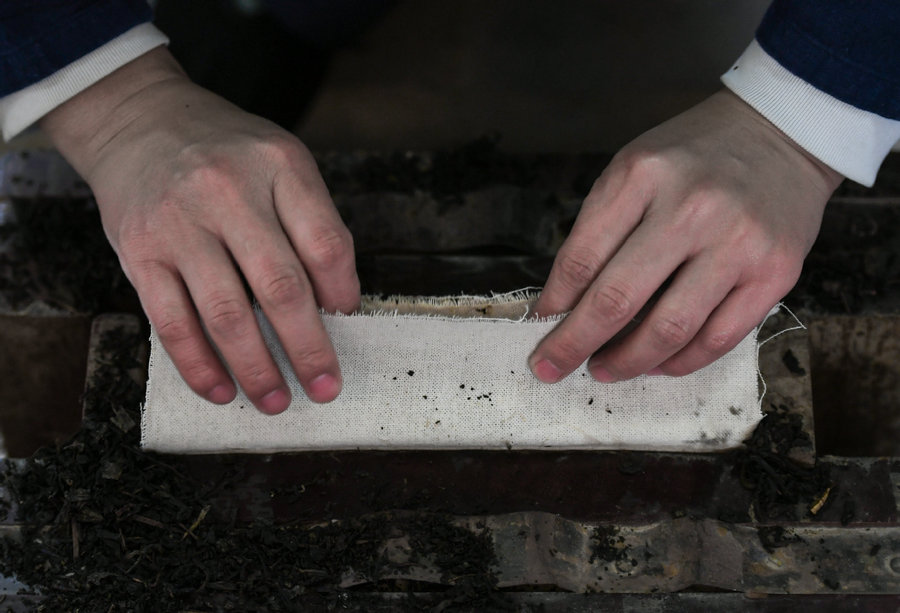
Dark tea, a unique variety of fermented tea, is appreciated for its distinctive color, taste, and aroma. The fermentation process gives dark tea its characteristic dark color and a robust, rich flavor profile. Unlike other teas, dark tea is known for improving in taste and aroma with age, making it a valuable commodity among tea enthusiasts. The fermentation process not only enhances the flavor but also contributes to its health benefits, which include aiding digestion and reducing cholesterol. Dark tea is often referred to as "border tea" or "export tea", owing to its historical role in trade, especially along the Silk Road. It is traditionally pressed into cakes, which facilitated transportation across long distances. This tea has garnered attention not only for its taste but also for its cultural significance, especially in regions like Anhua in Hunan province, China, where it plays a vital role in local traditions and economy.
History
Dark tea has a rich history that dates back over a thousand years. It is believed that the tea was accidentally discovered during ancient trade when tea leaves became moistened and fermented during long shipments along the Silk Road. This accidental fermentation resulted in a tea with a strong aroma and extended shelf life, making it highly valued as "border tea" used in trade with China's northwestern regions and beyond. During the Qing Dynasty (1644-1911), dark tea was sealed in special ceremonies, a tradition that continues to be revived today. The tradition of aging dark tea, akin to sealing liquor or food, has long been seen as a way to enhance its flavor and health benefits. This tea's journey from a niche product to a popular urban beverage illustrates its evolving popularity and the enduring cultural practices associated with it.
Production Process
The production of dark tea involves a series of steps that contribute to its unique characteristics. The initial processing involves heating, kneading, and twisting the tea leaves. Once processed, the leaves are moistened and piled under cloths to ferment. This fermentation process is crucial as it imparts the tea its distinct dark color and robust flavor.
Fermentation
Fermentation is a pivotal step that differentiates dark tea from other types. During this process, the tea leaves are allowed to rest under controlled conditions, allowing natural microorganisms to flourish. This fermentation leads to the development of complex flavors and aromas that are unique to dark tea. It also enhances the tea's health benefits, contributing to its reputation as a functional beverage.
Aging
Aging is another critical aspect of dark tea production. Over time, the flavors and aromas of dark tea continue to develop, often becoming more refined and complex. Traditionally, dark tea was aged in sealed containers for many years. Nowadays, advancements in techniques have allowed similar results to be achieved in a shorter time frame, typically between three to five years. The aging process enhances the tea's probiotic content, adding to its health benefits.
Types of Dark Tea
Dark tea encompasses several distinct varieties, each with its own unique characteristics and production methods. Among the most renowned types are Pu'er tea and Liubao tea.
Pu'er Tea
Pu'er tea, originating from Yunnan province, is one of the most famous types of dark tea. It is known for its rich, earthy flavor, which becomes smoother and more complex with age. Pu'er tea is highly valued both for its taste and its health benefits, including aiding digestion and lowering cholesterol. It is often sold in compressed forms, such as cakes or bricks, which facilitate aging and storage.
Liubao Tea
Liubao tea, produced in Guangxi Zhuang autonomous region, is another notable variety of dark tea. It is distinguished by its unique areca nut aroma and is rich in lipase. Liubao tea is a national geographical indication product, reflecting its cultural and economic significance. Like other dark teas, Liubao tea is known for its health benefits, including promoting digestion and metabolism.
Health Benefits
Dark tea is not only known for its distinctive taste and aroma but also for its numerous health benefits. The fermentation process increases the concentration of probiotics, beneficial bacteria that support gut health and digestion. Regular consumption of dark tea has been associated with lowering cholesterol levels, supporting cardiovascular health, and aiding in weight management. The tea is also rich in antioxidants, which help combat oxidative stress and may reduce the risk of chronic diseases. Furthermore, dark tea has been linked to improved metabolism and enhanced immune function. These health benefits, combined with its unique taste, make dark tea an appealing choice for health-conscious consumers.








